I was first introduced to this lesson by the South Coast Writing Project (SCWriP) in the summer of 2014 out of UCSB. I’ve used it in my classroom many times over the past ten years and it always helps students think differently about sentence length and complexity. It’s a great lesson, challenge or quick write that helps them see the impact short and long sentences can have on the pace and rhythm of their prose. Here is a link to the original lesson put out by the National Writing project. Kim Stafford is the original author of this concept, and I must give her the credit for its brilliance.
I use it as a creative quick write challenge, where I ask my students to divide their paper horizontally into two even chunks of lined opportunity. Then, I have them pick an accessible topic, something they can talk about easily (Their favorite food or TV show for example). We start easy so that they can take risks with their craft and be playful with the exercise. I tell them to fill the first half of their page with one long “river” sentence that is technically grammatically correct. They are allowed only one period, no semicolons, and we recommend that they start with a world like “while” or “during” to give themselves plenty of room to move through that sentence.
After I get a sense that most have finished, we share our sentences with our elbow partners. It’s the partner’s job to listen carefully and point out any moments where they had a complete sentence and maybe brushed over an opportunity to punctuate. Some volunteers will read theirs for the class. It’s really helpful for students to hear as many good examples of river sentences that aren’t run-ons so they can feel the pace, and the complexity. I also like when pairs sit side by side and read over each other’s shoulders. Seeing the sentence written out with it’s commas and structure helps them get ideas for how they can build longer ones in their own writing.
After we’ve shared our river sentences, I have them repeat the exercise but this time, they can only fill the bottom half of their page with sentences that are no more than four words long. They use the same topic they used before, and this helps them focus on the sentence style rather than the content. We repeat the sharing step just like we did with the river sentences so that students can hear out loud the difference. When they read their “Drum” sentences, they feel the staccato. They count words with thier fingers as they craft, and they feel the stilted rhythm shorter sentences can create.
While the class completes this writing challenge, I write along side them. I usually ask for suggested topics, and write while they write. I’ll share mine with a student whose elbow partner might be out that day, or read mine for the class if they want to hear it. I’ve attached two samples below. One about my cats, and one about Ramen noodles.
I sometimes pair this lesson with Gary Provost’s The Art of Sentence Length or Mary Alice’s Poem My Life Needs to Be Rewritten from her book Bouquet of Daisies. (See images below).
River and Drum Activity: Cat Sample
River: While some ignorant, obtuse, inhuman creatures might scoff at, or fear the majestic yet agile feline species, there are those among us who, with loving childhood nostalgia, look back fondly to that Christmas morning, or birthday party, or May afternoon trip to the the animal shelter, and remember, with love in our hearts, how precious it was to see, and snuggle the tiny paws, to hear the vulnerability in the soft meows, and see the blooming potential of limbs soon to stretch into the reaching arms and legs of a forever hunter.
Drum: Some don’t understand. They don’t. Maybe, they never will. Cats are incredible. They’re amazing. They’re agile, yet majestic. They give me life. No cats, means sadness. I’d be totally depressed. Chip is a good boy. Jackson, a rascal. Finn is a lover. All so unique. All so Precious. I love tiny paws. Mini mouths, so adorable! Claws that scratch- ouch! But who cares? We snuggle anyway. Cats should live forever. They should be immortal. Hunting is a pastime. Relaxing is their job. Sleep in the sun. Feast on your accomplishments. Learn from the cats.
River and Drum Activity: Ramen Sample
River: While the rain patters at the foggy windows of the restaurant in a busy Tokyo street, and hurried people shuffle to get home from work before the sun sets, I sit with a tasty complex, comforting dish that smells like college nights and creative kitchens from my past that never measured up to the authentic hand-strung noodles, bright bok choy, chili and garlic I saw in the bowl before dipping a spoon, and bringing some broth up, carefully toward my eager mouth hat felt the warm comforts of the best ramen I ever had.
Drum: Ramen. What a dish! I love it. The noodles slurp. They also slap! I smell complex broth. Give me oil! Give me garlic! Japan does it best. Go! Try it! In college, I ate. I ate Ramen. Winter time is best. If it rains, eat! Eat ramen. Don’t put corn in. That’s not right. Brittany Murphy did. “Ramen Girl” was bad. A very bad film. It disgraced ramen. My favorite is Chicken. Tofu is also good. There are always options. No two Ramens equate. They’re all different. They’re all delicious.
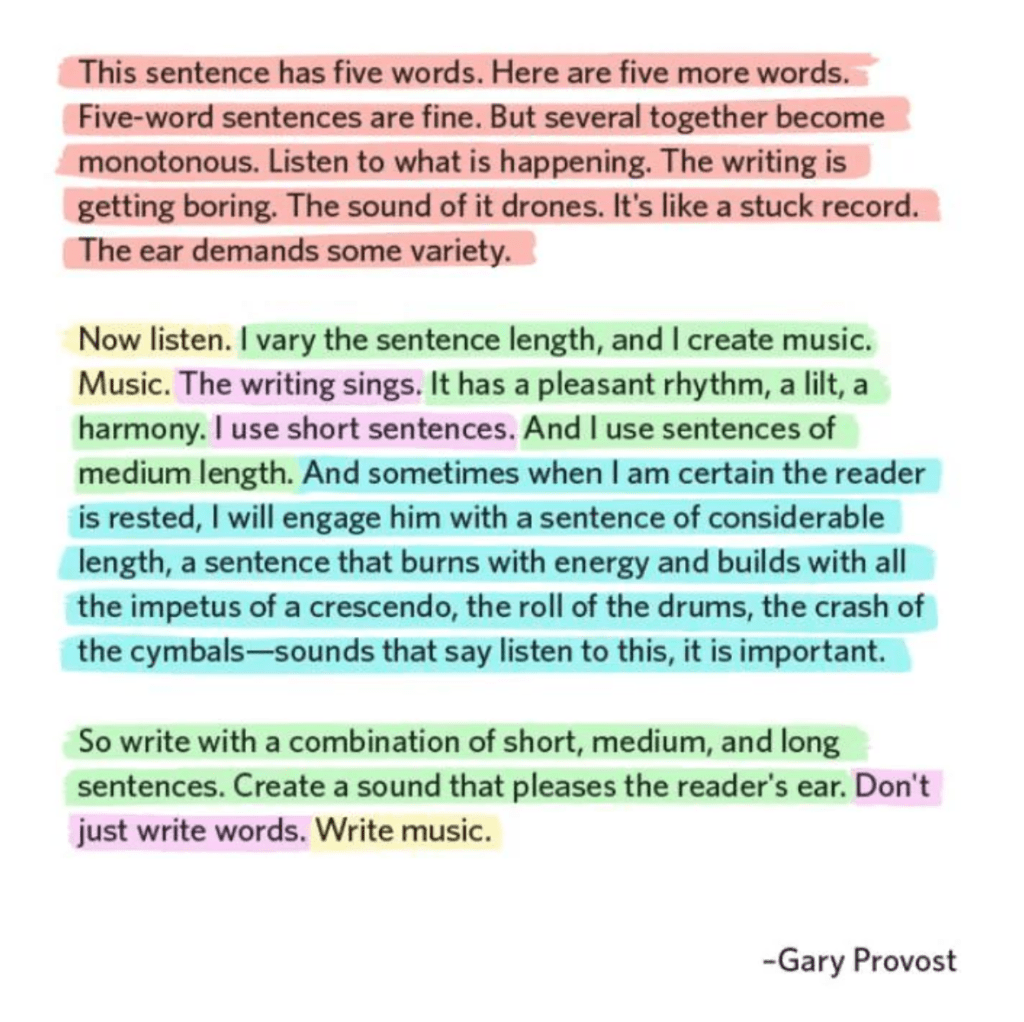
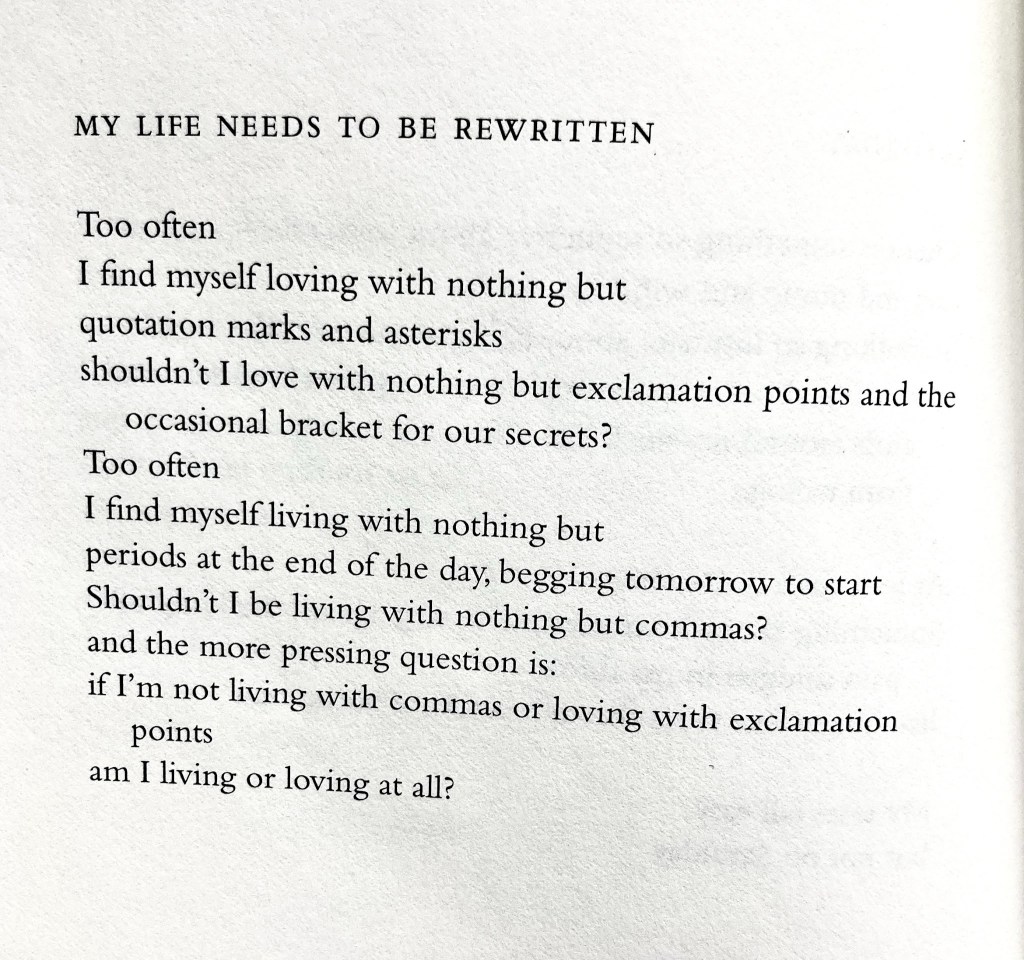
The above poem comes from a collection of poetry written by Megan Alice titled, A Bouquet of Daisies.
Beyond just this exercise, I continue to refer to “River sentences” and “Drum sentences” throughout the year. I encourage students to consider when it is appropriate to incorporate one or the other in their writing as they grapple with more complex texts. When is it appropriate to engage your reader with complexity, and when should you slow down, and accentuate a point with something short, and sweet? Sometimes I will challenge them, to have one, or the other in their argument essays, or we will point out an effective use of the technique when other authors use these types of sentences effectively. It’s important that they see it not as a one-off silly writing challenge, but as a playful way to push their writing in new and interesting directions.
 Kelly Keene